

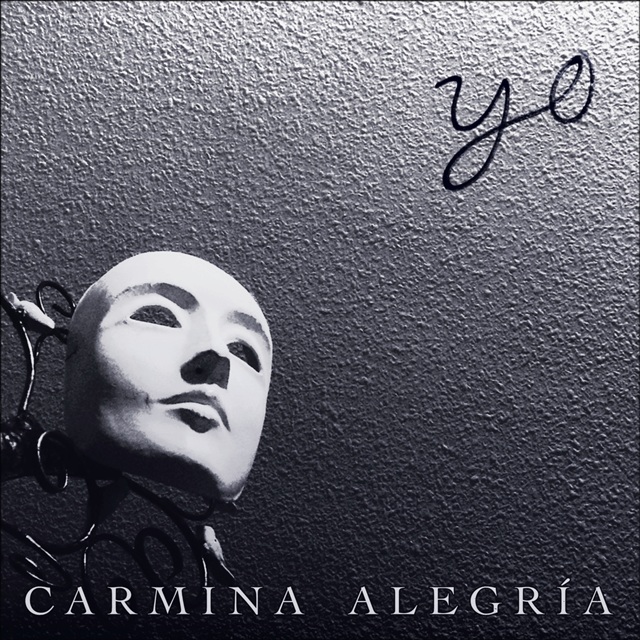
Carmina Alegría is an impactful conceptual album from Yo, moving through neoclassical, ambient-new age, and organic post-rock to document the slow, introspective process of grieving his grandmother’s death. Written unconsciously over years and only fully understood after her passing, the album treats songs as living entities, guided by instinct rather than control, tracing sorrow, memory, and the idea of “return to the air” (Volver al aire”) as a metaphor for death and transformation.
A captivating opener, “Desaparecer” unfolds with dynamic allure — expanding from subdued twinkling into a grandiose swell of theatrical wordless voices and ravishing orchestral effervescence. The album’s title track follows, showcasing another artfully climactic unveiling, this time centered around spoken-word voice and layers of trickling acoustics — culminating in a triumphant array of soaring guitar bursts; the sense of rock-forward momentum, and its sating arrival into the climax, reminds fondly of Sigur Rós. “Coágulo de un instante” continues the album’s engrossing start, soothing in its haunting vocal touches and plucky guitar reflections — warmly nostalgic in its tonal disposition to start, and then attaining an invigorating sense of catharsis as the powerful vocals radiate with further power across the second half.
“Volver al aire” is an especially riveting success, uniquely powerful in its interchanging dual vocalists and spacey atmospheric intrigue. An operatic vocal entrancement exudes from the first vocalist, while the second presents a more familiarly melodic comfort. The vocals ascend with spine-tingling qualities amidst glistening guitar tones, as dreamy backing vocal adornments provide enjoyable complements just prior to the two-minute turn. The lyricism plays like a hushed farewell to a guiding presence, where invitations like “ven, te enseñaré a nacer” capture the ache of remembering a grandmother as both refuge and mystery, especially in the repeated plea to “vuelve al aire” — “return to the air.”
The ensuing “Siempre (la mano en el fuego)” is another stunner, feeling cinematic in its melding of stomping rhythms and flickering guitars with flourishing woodwinds and resonating wordless vocal backings. The lusher “Los muertos siempre son verdad” comes next, gorgeous in its expansion of guitar work from elegant, understated starry-eyed contemplation to more vigor-full ranges of warming distortion. The conversational vocal usage returns in “Decirlo a veces sin palabras,” resembling a cross between table-set conversing and second-half orchestral and operatic grandiosity. That and moody, concluding bonus track “Levantando las manos” play as a wholly satiating one-two final punch to this emotively consuming, melodically memorable success from Yo.