


Creative breakthroughs often receive the most attention. People admire the finished painting, the completed album, the successful exhibition, or the viral piece of content. What receives far less attention is the routine that made those accomplishments possible.
For independent artists, creativity is rarely sustained by inspiration alone. Inspiration comes and goes. Long-term creative output is usually supported by habits that make it easier to continue producing work even when motivation is low. While every artist develops a unique process, many successful creatives share similar daily practices that help them remain productive over the years rather than just during occasional bursts of enthusiasm.
They Prioritize Routine Over Inspiration
Many aspiring artists wait until they feel inspired before starting work. Experienced artists often take the opposite approach.
Rather than depending on unpredictable motivation, they establish routines that make creative work a regular part of their day. Some begin every morning with sketching, writing, recording, or brainstorming. Others dedicate a specific block of time to creative work regardless of how they feel.
This consistency helps remove the pressure of needing to feel inspired before getting started. Over time, showing up regularly often produces more work than waiting for the perfect moment.
They Protect Their Energy
Creativity requires mental energy, and many artists become increasingly aware of how everyday habits influence their ability to focus.
Sleep quality, movement, hydration, and nutrition all affect concentration and productivity. Independent artists frequently experiment with routines that help them maintain stable energy levels throughout the day rather than experiencing dramatic peaks and crashes.
Some creatives become interested in structured eating approaches and personal nutrition experiments, including discussions around a 30 day carnivore diet plan. Regardless of the specific approach, the broader goal is often the same: understanding how daily habits affect focus, consistency, and creative performance over extended periods.
They Collect Ideas Constantly
Many people imagine creativity as something that appears unexpectedly. In reality, artists often spend years building a personal library of ideas.
Notes, photographs, voice recordings, sketches, saved articles, observations, and unfinished concepts become valuable resources when new projects begin. Instead of starting from an empty page every time, artists can draw from a growing collection of inspiration gathered through everyday experiences.
This habit also reduces the anxiety that can come from feeling pressured to generate ideas on demand.
They Create More Than They Share
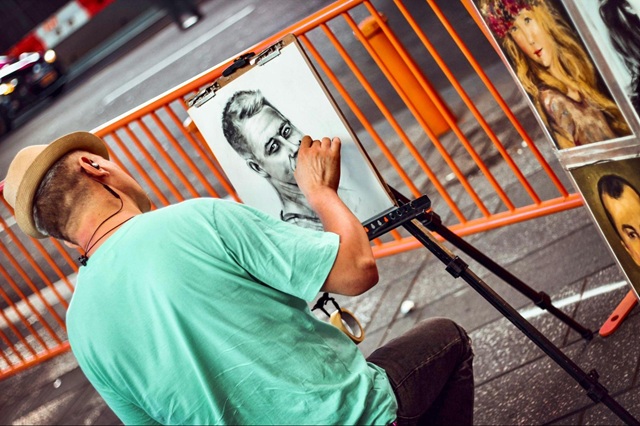
One reason some artists remain productive for decades is that they separate creating from publishing.
Not every sketch becomes a finished piece. Not every song is released. Not every concept turns into a completed project.
By allowing themselves to produce imperfect work, artists create space for experimentation. This approach encourages growth because it removes some of the pressure associated with public expectations.
The audience typically sees only a fraction of the work that is actually created.
They Limit Constant Comparison
Modern artists have access to more creative work than any previous generation. While this can be inspiring, it can also become overwhelming.
Constant comparison often leads to self-doubt and creative paralysis. Many experienced artists intentionally limit how much time they spend evaluating their work against others. Instead, they focus on improving their own process and measuring progress against their previous efforts.
Long-term creativity often depends on maintaining enough confidence to continue producing work despite inevitable comparisons.
They Accept Periods of Slower Progress
Creative growth is rarely linear.
There are productive periods filled with ideas and momentum. There are also periods where progress feels slow and uncertain. Artists who remain active over the long term tend to accept these fluctuations rather than interpreting them as failure.
Instead of abandoning their practice during slower periods, they continue working, trusting that creativity often returns after enough consistent effort.
This mindset helps prevent temporary setbacks from becoming permanent interruptions.
They Make Creativity Part of Everyday Life
Many successful independent artists do not treat creativity as something separate from daily living. They actively observe conversations, environments, routines, and experiences for inspiration.
A walk through a neighborhood, a conversation with a stranger, a news story, or an ordinary observation can become the foundation for future work.
By remaining curious about the world around them, they create a continuous source of material that supports ongoing creative development.
Longevity Comes From Habits
People often assume that successful artists possess an endless supply of creativity. More often, they possess systems that help them continue creating when inspiration is limited.
Routine, energy management, idea collection, experimentation, patience, and curiosity all contribute to long-term creative output. These habits may appear ordinary, but their cumulative effect can be extraordinary.
The artists who continue producing meaningful work year after year are rarely relying on motivation alone. More often, they have built daily practices that make creativity sustainable, allowing them to keep moving forward long after the excitement of a new project has faded.