

Releasing music has never been easier. Getting people to notice it is another matter entirely.
Independent artists now have access to the same streaming platforms, advertising tools and social networks as major labels, but having those tools doesn’t automatically produce an audience. Without a clear strategy, even an excellent release can vanish into the digital churn within days.
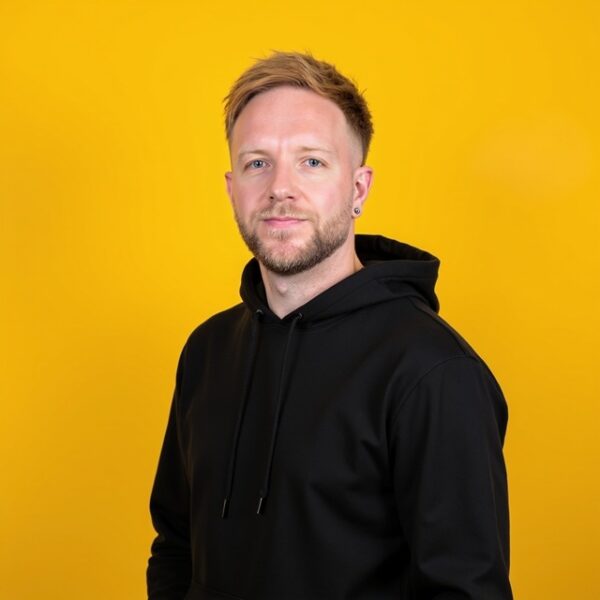
We spoke with James Plimmer, Managing Director of Now Listen PR, about playlisting, music marketing and what artists should be doing to build genuine, sustainable momentum.
How did you first get involved in music promotion, and what led you to establish Now Listen PR?
Music has always been a huge part of my life, personally, academically and creatively. The idea behind Now Listen PR grew from seeing how difficult it was for independent artists to access reliable promotion and honest strategic advice.
There were plenty of services offering streams, playlist placements or quick exposure, but artists often had little idea what they were actually paying for. We wanted to build something more transparent and personal, an agency that looks at the artist’s wider goals rather than selling the same package to everybody.
That philosophy still shapes how we work. Every artist is at a different stage, so every campaign needs its own direction.
What do you think independent artists misunderstand most about music marketing?
Many artists assume marketing starts when the song is released. In reality, a strong campaign begins much earlier.
You need time to identify the audience, develop the visual content, prepare your artist profiles and decide what success should look like. Simply uploading a track and promoting it afterwards makes everything harder.
There’s also a tendency to view marketing as a way of forcing people to listen. It isn’t. Good music marketing is about finding the people most likely to connect with the song and giving them several natural opportunities to discover it.
With so much music released every day, what genuinely helps a new artist stand out?
The music has to be strong, but that’s only the starting point. Artists also need a clear identity and a story people can understand.
That doesn’t mean inventing a dramatic background or adopting a manufactured image. It means being consistent about who you are, what your music represents and why somebody should pay attention. Your artwork, content, biography and social profiles should all feel connected.
Consistency matters over time as well. One isolated single may struggle to make an impact, while a sequence of well-planned releases gives listeners more chances to discover and remember you.
What do you look for when deciding whether an artist or release is ready for promotion?
First, we listen to the music. We then look at the artist’s goals, existing audience, creative assets, release plans and willingness to engage with the campaign.
An artist doesn’t need enormous streaming figures or thousands of followers. They do, however, need strong material and a realistic commitment to the project. Promotion works much better when the artist is creating content, communicating with listeners and thinking beyond one release.
Sometimes our honest advice is to wait. If the music, visuals or wider strategy aren’t ready, spending money on promotion too early is unlikely to produce the best return.
How should artists approach Spotify playlisting without falling for artificial streams or low-quality placements?
Be very wary of guaranteed stream numbers, instant placements and unusually cheap promotion. Nobody reputable can promise a precise result before hearing the track and assessing where it belongs.
Artists should ask how playlists are selected, whether the curators are genuine and what kind of listeners the campaign is expected to reach. A smaller, genre-relevant playlist can be far more valuable than a huge playlist filled with passive or artificial accounts.
Good playlisting should create natural discovery. You want people to save the track, visit your profile and listen to another song – not disappear after one empty stream.
Beyond total stream counts, which figures show that a campaign is attracting genuine listeners?
Streams only tell part of the story. We also look at saves, repeat listening, follower growth, playlist additions and how people move through the artist’s wider catalogue.
Audience location can be valuable as well. If meaningful groups of listeners are developing in Manchester, London or Glasgow, that information can influence advertising, future releases and live plans.
The central question is whether people are behaving like fans. Are they returning? Are they following the artist or exploring another track? A dramatic spike followed by silence may look impressive in a screenshot, but it doesn’t build a career.
How do playlisting, digital advertising, press coverage and social content work together during a successful release campaign?
Each channel does a different job. Playlisting helps people discover the music, advertising lets us target relevant audiences and social content introduces the personality behind the track. Press coverage adds context and credibility.
The real strength comes from connecting those elements. Someone might hear a song on a playlist, encounter the artist again through an Instagram advert and later watch a live performance on TikTok or YouTube. That familiarity makes them far more likely to remember the artist.
We rarely treat promotion as one isolated service. The strongest campaigns create several routes into the same release.
What are the most common mistakes artists make when planning and promoting a new single?
Leaving everything until release week is probably the biggest one. Artists may spend months recording a track, then give themselves a few days to organise artwork, content and promotion.
Another mistake is concentrating entirely on release day. A song doesn’t become irrelevant after its first weekend. Different content, campaign angles and audience data can keep it moving for weeks or even months.
We also see artists chasing numbers without asking where those numbers come from. Ten thousand streams sound exciting, but the quality and behaviour of those listeners matters far more than the headline figure.
How can an independent artist turn a brief rise in streams into a loyal, long-term fanbase?
Give new listeners somewhere to go next. Your streaming profile should contain more music, your social accounts should feel active and your content should help people understand who you are.
Artists also need to maintain momentum. If somebody discovers a single and then hears nothing for a year, that connection will probably fade. You don’t need to release a new song every fortnight, but you should keep communicating – through performances, behind-the-scenes content or updates on what you’re working on.
A fanbase is built through repeated contact. One stream is an introduction; the relationship develops through everything that follows.
What advice would you give to an emerging UK artist preparing to release music over the next 12 months?
Plan further ahead than you think you need to. Build a realistic release schedule, create your assets early and decide which audiences you want to reach before you start spending money.
Think beyond one big breakthrough as well. Careers are usually built through a series of smaller gains: better engagement, stronger content, the right playlist placement or a growing pocket of listeners in a particular city.
Most importantly, protect the authenticity of the project. Data and strategy are valuable, but they should support the music rather than dictate it. The aim isn’t simply to generate activity. It’s to find real people who genuinely want to stay with you.