


There is a difference between having music on and actually listening.
For a playlist in the background, almost anything can work. Wireless earbuds, a laptop speaker, a car system, a phone on the kitchen counter — they all have their place. But when someone is rehearsing, recording, editing, playing, or sitting with an album from start to finish, the small details begin to matter.
That is where wired IEMs still make sense. Not because wireless has failed, and not because every listener needs a complicated audio rig. Wired listening simply gives people more control over the parts of the chain they rely on: fit, source, cable, connection, and comfort.
For musicians and serious listeners, personalization is often less about luxury and more about removing distractions. The right length, connector, plug, and cable feel can change how natural an IEM system feels during real use.
Wired listening still has a role
Wireless audio is convenient, and convenience matters. It is hard to beat wireless earbuds for errands, calls, commuting, and quick listening.
But wired listening solves a different problem. It removes battery anxiety, reduces latency, and keeps the signal chain simple. There is also a value argument. Good wireless earbuds can sound excellent, but at lower and mid-range prices the budget has to cover more than the acoustic parts: batteries, wireless chips, microphones, charging cases, noise control, and software. Wired IEMs can often put more of that budget into the listening side of the product: drivers, fit, materials, and ergonomics.
That does not make every wired model better. It simply explains why wired listening still makes sense for people who want to spend less on wireless features they do not need and more on the way the music actually feels.
Plug in, press play, and the listening chain behaves the same way each time.
For musicians, that consistency matters during rehearsal, monitoring, and practice. For listeners, it matters during long sessions where interruptions break the mood. A wired IEM system can feel less like another device to manage and more like a tool that stays out of the way.
That does not mean every listener needs to customize everything. It only means that when music gets more intentional, the small physical details become harder to ignore.
Comfort is part of the experience
People often talk about sound first, but comfort decides whether a listening session lasts.
An IEM can have good tuning and still become frustrating if the cable pulls around the ear, rubs against clothing, or feels too stiff. The listener may start adjusting the fit instead of following the song. For musicians, that distraction becomes even more obvious during movement, rehearsal, or monitoring sessions.
Cable comfort is not only about softness. It also involves weight, flexibility, ear hooks, routing, and length. A cable that works well at a desk may feel awkward on stage. A cable that works for walking may not be ideal for a stationary source. A cable that is too long can snag, while one that is too short can pull against the connector.
This is where personalization becomes practical rather than decorative. The same IEM can feel very different depending on how the cable behaves.
Microphonics can break the mood
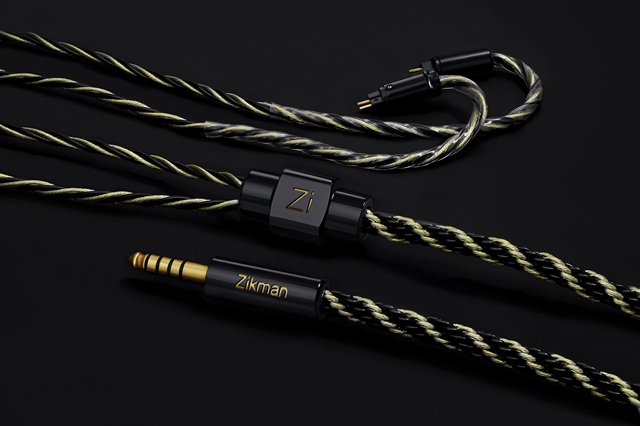
Microphonics is the sound of physical movement traveling through the cable into the earphones. It can happen when the cable rubs against a shirt, jacket, instrument strap, desk edge, or simply shifts while the listener moves.
During a loud section, it may be easy to ignore. During a quiet passage, an acoustic recording, a rehearsal break, or a focused listening session, it becomes much harder to miss.
For serious listeners, microphonics can pull attention away from the track. For musicians, it can interfere with the reason they are using IEMs in the first place: to hear clearly and consistently.
A better-matched cable can reduce unnecessary friction. Softer materials, stable routing, proper length, and a secure connector can make the experience feel calmer.
One-size-fits-all does not always work
Most stock cables are designed to be acceptable for many users, not ideal for one person.
That makes sense. Manufacturers need to include a cable that works for a broad range of ears, sources, and habits. But the more specific the use case becomes, the more those compromises show.
A singer, drummer, guitarist, producer, desk listener, and commuter may all use IEMs differently. One person may need a longer cable. Another may need a shorter one. One may care about a balanced 4.4mm plug. Another may only need 3.5mm. One may detach the cable often. Another may leave it attached for months.
Connector preference can vary too. Some IEMs use 0.78mm 2-pin, while others use MMCX. Some users prefer the fixed feel of 2-pin, while others like the rotation and flexibility of MMCX. The right answer depends on the earphones and the way they are used.
Personalization does not need to be extreme. It can simply mean matching the cable to the routine.
When custom cable options make sense
A standard replacement cable can be enough if the goal is simply to replace a worn or unreliable one. Custom options start to make sense when the listener already knows what does not work with the standard cable: the length is wrong, the plug does not match the source, the connector feels inconvenient, or the cable is too stiff, noisy, or uncomfortable around the ear.
For listeners who already know what they need from their wired setup, comparing custom cable options can be more useful than replacing the entire IEM system.
The point is not to turn the cable into the most important part of the sound. It is to make the listening chain easier to use, easier to trust, and better matched to the person using it.
Reliability matters more than people expect
A cable issue rarely announces itself all at once. It usually starts as a small inconvenience.
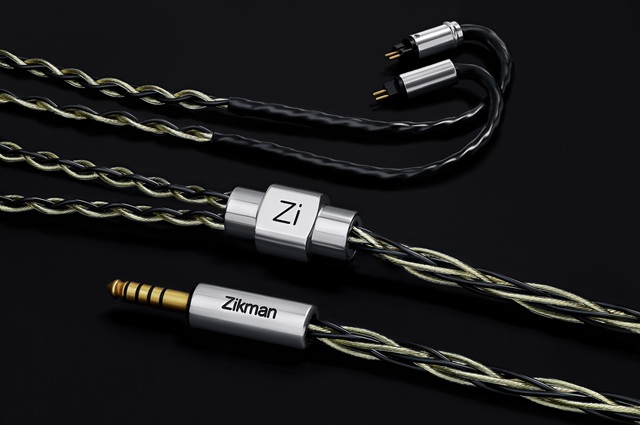
The IEMs may still sound fine, but the experience starts to feel less dependable: one channel drops out when the cable moves, the plug crackles, the connector feels a little loose, the jacket becomes stiff, or the ear hook no longer sits comfortably.
For casual listening, that may be annoying. For musicians or frequent listeners, it can become disruptive.
Reliability is one reason people personalize their wired setup. A cable that fits the source, connector, and daily use can make the entire system feel less fragile.
Sound expectations should stay grounded
Cable discussions can get exaggerated. A cable will not fix poor tuning, bad fit, weak recordings, or the wrong ear tips. The biggest changes in sound still come from the IEM itself, the fit, the source, the recording, and the listener’s own preferences.
But that does not make the cable irrelevant. It simply means the benefits are often more physical and practical than dramatic.
A comfortable cable helps the listener stay with the music longer. A stable connector prevents interruptions. Lower handling noise keeps quiet sections cleaner. The right plug makes the source easier to use.
These improvements are the kind of details that matter when someone spends enough time listening to notice them.
Final thoughts
Personalizing a wired IEM system is not always about chasing the most expensive option. Often, it is about understanding how the system is actually used.
Each case is slightly different: a musician may need stability and comfort during rehearsal, a producer may want less distraction during long sessions, and a listener may want a cable that does not pull, rub, or feel fragile.
That is why wired listening still has a place. It gives people room to shape the experience around the music, the source, and the way they listen.
The best cable is not the one that draws attention to itself. It is the one that lets the listener stop thinking about the cable at all.