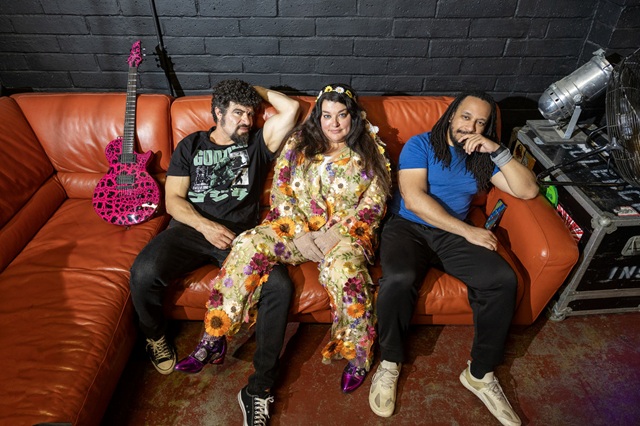


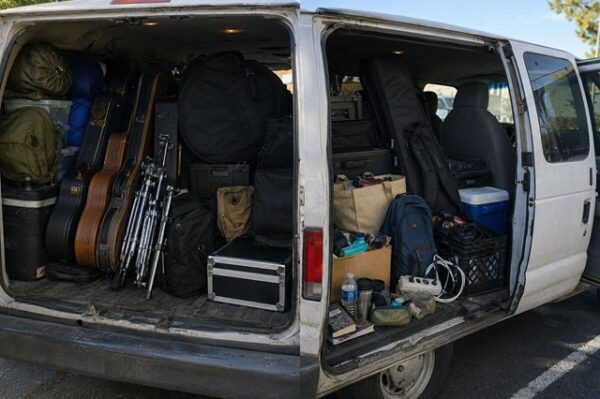
Packing up a Ford Econoline or a Chevy Express for a five-week cross-country trek is a rite of passage for every independent touring band. When you are hit with thirty-five days on the asphalt, living on gas station coffee, house shows, and tight venue stages, space becomes your most precious resource. Every square inch in the back of the van has to earn its keep.
If you dare to take a look inside the trunk of an experienced traveling band, you will soon realize that packing is an art form based on mistakes and experience. In addition to guitars, drums, and amp heads, what really makes the final list for an extensive journey?
Here is an inside look at what indie musicians pack to survive a five-week tour without losing their minds.
1. The Survival Gear: Gear Maintenance and Stage Essentials
Every musician learns on their first real tour that gear breaks at the worst possible moment. When you are three hundred miles away from the nearest music store on a Sunday afternoon, you have to be your own tech crew.
- Extra Strings, Cables, and Sticks: You do not just pack a spare pack of guitar strings; you pack a full brick. Patch cables fail, instrument cables get stepped on, and drumsticks snap under dark stage lights.
- The Ultimate Repair Kit: A standard touring toolkit contains gaffer tape (never duct tape, which leaves nasty residue on stage cables), a soldering iron, extra fuses, multi-tools, zip ties, and contact cleaner for scratchy volume pots.
- Power Strips and Extension Cords: The outlets at venues are notorious for being either highly unreliable or inconveniently situated far away from the stage. Having two power strips and a fifty-foot extension cord always makes life easier and sometimes saves the show.
2. Personal Comfort and Road Health
After five weeks of sleeping on hard floors and venue couches, with maybe a budget hotel room mixed in, it is not easy on the body. It is important to stay healthy and fairly clean when fatigue sets in.
- Sleeping Bags and Compact Camping Pads: Sleeping on a stranger’s living room floor after a gig is much easier when you have a decent foam roll or inflatable sleeping pad. Lightweight sleeping bags fold down small and keep you warm during overnight drives across high-elevation passes.
- The Van Hygiene Bag: Roadside bathrooms can be a gamble, but carrying a good hygiene pack means having access to dry shampoo, body wipes, shower flip-flops, fast-drying microfiber towels, and plenty of hand sanitizer.
- Relaxation Essentials: A proper wind-down following an intense two-hour performance is important for artists as they try to get back on track before embarking on the six-hour drive the next day. Many of them use small and easy-to-carry herb vaporizers to unwind following their load-out. Checking out detailed reviews and price comparisons on trusted sites like VapeExperts helps band members find durable, portable devices that can handle the rough-and-tumble nature of life in a tour van.
3. Merch and Business Organization
The merch stand is the main source of funding for gas money, oil changes, and sustenance on a nightly basis for any indie band. The disorganization of the merch booth means that you are not making money.
- Organized Totes and Clear Bins: Keeping your merch organized in totes and bins prevents dampness and makes the counting process much easier by the end of the show.
- Point-of-Sale Tech and Power Banks: Card readers like Square or Clover are mandatory, as fans rarely carry cash anymore. High-capacity portable power banks ensure phones and card readers stay charged through long sets.
- Display Extras: A battery-powered desk lamp, a portable clothing rack, fabric markers for custom shirt requests, and plenty of cash for making change form the backbone of a successful merch booth.
4. Life on the Highway: Van Electronics and Snacks
Spending six to eight hours a day in a moving vehicle means keeping life functional inside the cabin.
- A Solid Cooler: Eating out three times a day burns through a tour budget fast. A reliable cooler stocked with water, lunch meat, hummus, fruit, and bread pays for itself within the first week.
- DC-to-AC Power Inverters: Plugs built into older vans rarely handle multiple laptops, camera battery chargers, and cell phones all at once. A heavy-duty power inverter hooked up to the van’s auxiliary power outlet keeps everyone’s gear running smoothly.
- Noise-Canceling Headphones and Eye Masks: Sometimes you just need an hour of quiet time while someone else takes the wheel. Good headphones and an eye mask let band members sleep during daylight hours between cities.
Conclusion: How It All Fits
Packing a van is not just about what you bring; it is about how you stack it. Heavy items like drum hardware cases and bass cabinets go in first, right against the floor and back seats, to keep the vehicle’s center of gravity low. Soft items like duffel bags, sleeping bags, and merch boxes fill in the gaps above. Everything gets secured with heavy-duty ratchet straps so nothing shifts forward if the driver has to step on the brakes quickly.
An indie band arriving at a destination after five weeks of touring can have a van that does not just act as a means of transportation but is more like an engineered apartment. The process of planning, packing, being cost-effective, and making sure equipment is reliable turns a chaotic road trip into a successful, smooth one.