

The way listeners find unfamiliar artists has shifted away from radio rotation and toward conversations that happen on screens. A song that surfaces in a small forum thread can travel to thousands of ears before any label notices it. That movement depends less on marketing budgets and more on the people who choose to share what they love with strangers who happen to share their taste, and who keep coming back to the same corners of the internet to do it again.
This is the quiet engine behind a lot of underground music today. Behind every breakout track sits a network of message boards, playlist swaps, comment sections, and group chats where fans trade names nobody else has heard yet. Understanding how those spaces work, and why people bother to keep them alive, explains why some obscure records spread while others stay buried.

Why People Connect Over Sound
Shared taste creates an unusually fast intimacy. Telling someone the album that carried you through a hard winter reveals more than small talk ever could, and that honesty tends to draw people closer. It is the same human pull that powers any platform built for meeting strangers, whether the focus is a favorite band or simply conversation. Some people look for that contact in genre forums, while others reach for a broader social tool such as an alternative to FlirtBees when they just want an unscripted talk with someone new. The underlying need is identical, a real exchange that feels personal rather than transactional.
Music makes that exchange easier because it gives people a starting point. Strangers who would never message each other will happily argue about a record for an hour. A shared favorite lowers the social cost of saying hello, and from there a passing chat can become a genuine friendship built on weekly listening sessions and traded recommendations. The artist at the center of the conversation may never know how many friendships their work quietly started.
From Mixtapes to Group Chats
Music sharing has always been social. Decades ago it meant handing a friend a cassette with handwritten tracklists or burning a CD for someone who missed a show. The instinct was the same one driving online discovery now, the desire to say here, listen to this, I think it is yours too. The tools changed, but the impulse to connect through sound did not, and neither did the small thrill of being the first to pass something along.
What digital spaces added was scale and speed. A recommendation that once reached one friend can now reach a Discord server of two hundred people in seconds. Niche genres that could never fill a local venue suddenly found listeners scattered across continents, all comparing notes in the same thread. The internet did not invent music fandom, but it removed the geography that used to limit it, letting a bedroom recording from one city find its true audience three time zones away.
How Discovery Actually Spreads Online
The path from unknown to underground favorite rarely follows a straight line. A track gets posted in a subreddit, someone clips it for a short video, a blogger writes it up, and a playlist curator folds it into a rotation that reaches listeners who trust that curator’s ear. Each step is a small act of vouching. By the time a wider audience hears the song, dozens of people have already staked a little credibility on it, and that accumulated trust is what convinces a skeptic to press play.
Curation matters as much as creation in this system. Anyone can upload a song, but very few can frame it so that strangers feel compelled to listen. Year-end roundups do exactly that, and a thoughtful list like the picks in the rundown of the best albums of the year often sends readers down rabbit holes they would never have found alone. The list is not just a ranking, it is a map drawn by someone who listened closely so others would not have to guess.
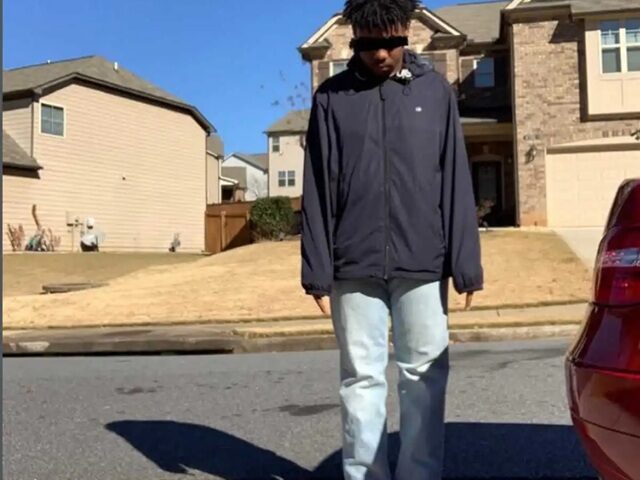
Single-artist features work the same way on a smaller scale. A close read of one release, such as the writeup of SOZI’s DREAM EP, gives an unfamiliar name context and a reason to matter. That context is what turns a random stream into a memory, and a memory into the kind of recommendation a listener passes along to their own circle. Without that framing, even a great song can slip by unnoticed.
Keeping These Spaces Worth Visiting
Online communities only stay valuable when the people in them act in good faith. The forums that endure tend to reward generosity, the regular who answers a newcomer’s question or points someone toward a deep cut without expecting anything back. Spaces that tilt toward self-promotion or noise tend to hollow out, because the trust that made recommendations meaningful quietly drains away, and once it does, listeners stop checking in.
There is also a practical side to connecting with strangers online, whether the topic is music or anything else. Sharing taste does not require sharing private details, and the healthiest communities normalize a slower kind of openness. Listeners who treat a forum like a conversation rather than a transaction tend to get more out of it, and they help build the sort of place that newcomers actually want to stick around in. A little patience with the quieter members usually pays off, since the person lurking today may be the one championing a new band next month.
Underground music has always survived on word of mouth, and the screen is just the latest place that word travels. The platforms will keep changing, but the core remains a person telling another person about a sound that moved them. As long as listeners keep showing up to share what they have found, the obscure will keep finding the ears it was meant for, one honest recommendation at a time.