


Most people experience music through finished performances. They hear a song, attend a concert, watch a live session online, or stream an album on their phone. What they rarely see is the amount of work required to make those moments happen. Behind every performance sits a complex combination of planning, budgeting, administration, branding, and personal presentation.
For working artists, success involves far more than creativity. Musicians today operate as small businesses, managing schedules, payments, marketing, appearances, and countless responsibilities that have little to do with actually making music. The artists who build sustainable careers are often the ones who learn how to balance both sides of the profession. Talent matters, but so does the ability to manage everything happening behind the scenes.
As the music industry continues evolving, those business skills are becoming increasingly important.
Creative Careers Still Run on Administration
Many aspiring artists imagine their future filled with performances, recording sessions, and creative projects. The reality is that administration occupies a surprising amount of time.
Invoices need to be sent. Contracts must be reviewed. Expenses have to be tracked. Team members need to be paid. Events require coordination. For independent artists especially, these responsibilities often fall directly on their shoulders.
This is why operational systems have become valuable tools for growing creative businesses. As teams expand and administrative demands increase, many organizations rely on solutions such as https://www.sunrisehcm.com/ to keep payroll, workforce management, and day-to-day operations organized behind the scenes. While fans may never see these processes, they help create the stability that allows creative work to continue. While fans may never see these processes, they help create the stability that allows creative work to continue.
The Financial Side of Being an Artist
The public often views artists through the lens of success stories, but many working musicians spend considerable time managing unpredictable income streams. Revenue can arrive from performances, merchandise, licensing, teaching, sponsorships, and other opportunities.
This reality has encouraged many artists to become more financially aware than previous generations. Budgeting, planning, and understanding cash flow are no longer optional skills. They are necessary parts of maintaining a sustainable career.
Artists who treat their careers like businesses often place themselves in stronger positions when opportunities arise. Having systems in place allows them to focus on creativity without constantly worrying about operational challenges. The goal is not turning art into accounting. It is creating enough structure that creativity has room to thrive.
Image Is Part of the Performance
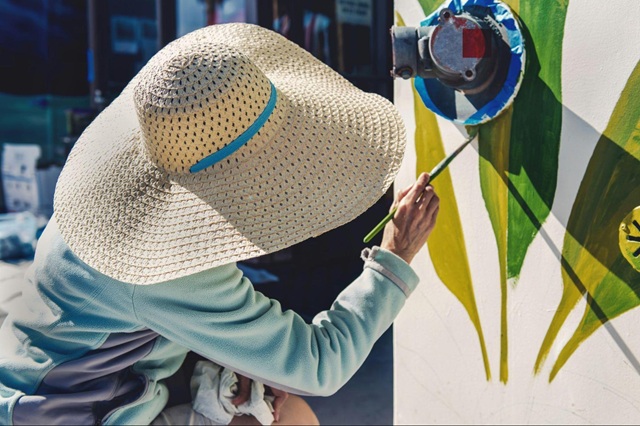
Like it or not, presentation influences perception. Audiences notice how performers carry themselves, how they appear on stage, and how they represent their personal brand.
This does not mean every artist needs a carefully manufactured image. Authenticity remains one of the most valuable qualities in any creative field. However, authenticity and presentation are not opposites. The way someone dresses, communicates, and presents themselves contributes to how audiences remember them.
For performers, appearances often become part of the overall experience. Stage presence extends beyond musical ability. Clothing, confidence, and visual identity all help create a lasting impression that supports the performance itself.
Why Style Still Matters in Professional Settings
The importance of presentation extends beyond the stage. Artists attend industry events, community gatherings, networking functions, award ceremonies, and public appearances throughout their careers.
People naturally form impressions based on appearance, particularly during first interactions. This is why many professionals across different industries pay attention to clothing that reflects both personality and professionalism.
Someone browsing https://designerchurchsuits.com/ is usually looking for polished attire designed for special occasions, community events, and formal gatherings. The company specializes in church suits, dresses, hats, and formal fashion collections that help people present themselves confidently in important settings.
For artists, visual presentation often becomes another tool that helps communicate identity, professionalism, and confidence.
Sustainable Careers Are Built Behind the Scenes
Many people assume artistic success comes from a breakthrough moment. In reality, sustainable careers are often built through hundreds of decisions that happen long before public recognition arrives.
Booking performances, managing finances, maintaining professional relationships, handling administration, and presenting a consistent image all contribute to long-term growth. None of these tasks receive the same attention as a performance, yet they play an essential role in making performances possible.
The artists who endure are usually the ones who understand that creativity and business are not competing priorities. They support each other. Strong systems create stability. Stability creates opportunities. Opportunities allow artists to spend more time creating.
The Audience Sees the Result, Not the Process
When audiences watch a performance, they see the final product. They experience the music, the energy, and the atmosphere. What remains largely invisible is the amount of work required to make that moment happen.
Behind every working artist are countless hours spent managing responsibilities that have little to do with music itself. Payroll, planning, scheduling, budgeting, branding, and presentation all contribute to a successful career.
The most successful artists are rarely succeeding because of talent alone. More often, they have learned how to balance creativity with the practical realities of running a business. The music remains the centerpiece, but the systems behind it are often what allow that music to reach people consistently over time.