


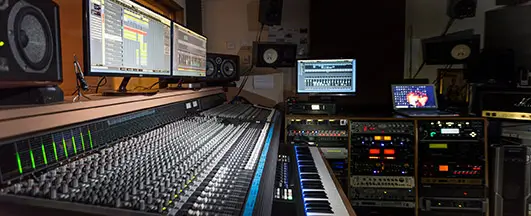
You have the hook, the lyrics, maybe even a bedroom demo that friends keep telling you to release. What often stands between that rough idea and a track worth sending out is not talent but process: a space where performances are captured properly, production decisions become audible, and a song can be judged honestly before it reaches listeners. A professional recording studio cannot manufacture a career, but it can provide exactly that working environment – and for many independent artists, that is where momentum starts.
Start with a clear artistic goal
Studio time delivers the most when you arrive knowing what you want to leave with. “Recording some songs” is a vague brief; “tracking lead vocals and harmonies for a single” or “capturing a live band take of three songs for an EP” is a workable one. The clearer the target, the easier it is for everyone in the room to make decisions quickly.
Before booking anything, it helps to answer a few questions for yourself. What is the end product? A single, a demo for pitches, a vocal take over a finished beat, a full band session? Which reference tracks capture the sound and mood you are aiming for? What material already exists: lyrics, stems, a beat version, a rough arrangement? And which parts genuinely need the studio, and which can you prepare at home? None of this requires experience. First-time artists book professional sessions all the time; preparation simply determines how much of your paid hour goes into creating rather than deliberating.
What a professional studio changes in the process
A finished release is not one task but a chain of distinct stages, and understanding them changes how you use studio time. Recording is about capturing the performance: microphone choice and placement, room acoustics, headphone mixes, getting takes that feel right. Production shapes the song itself – arrangement, sounds, structure, the decisions that turn a voice memo into a composition. Mixing balances everything: levels, space, tonal character, so each element sits where it should. Mastering is the final quality control, making sure the track translates consistently across headphones, cars, phone speakers and streaming platforms.
Each stage solves a different problem, which is why a skilled engineer matters so much. An experienced ear catches a rushed vocal comp, an arrangement that loses energy after the first chorus, or a low end that will collapse on small speakers – things that are hard to hear in your own home setup after the twentieth playback. Working with the same engineer across sessions compounds this benefit: they learn your voice, your references and your habits, so feedback gets sharper every time.
London offers a practical example of how this can look under one roof. Select Recording Studios in Wood Green, North London, covers recording, music production, mixing and mastering in a single facility, with sessions starting at £50 per hour. Every session is led by in-house producer and engineer Paul Miles, who has more than 25 years of industry experience. For an independent artist, working with the same in-house producer and engineer can provide continuity across sessions.
From first session to a stronger catalogue
The most underrated thing a professional session produces is not a single track but a repeatable process. A finished, properly mixed song gives you a version of your work that can be judged fairly – by you, by collaborators, by playlist curators or blogs. It becomes a reference point.
Studio sessions also generate knowledge. Notes on which vocal chain suited your voice, which arrangement choices worked, which mix revisions mattered – all of that makes the next session faster and cheaper. Over several releases, working in a consistent environment tends to make an artist’s sonic identity more recognisable, because the production quality stops fluctuating from track to track. None of this guarantees an audience, but it does mean that when listeners do arrive, what they hear represents you properly.
Choosing the right studio for your next step
Not every studio suits every artist, and glossy photos of a live room tell you little about fit. More useful criteria include: Does the engineer understand your genre and format – a rapper tracking over a two-track beat has different needs than a four-piece band recording live? Is engineering included in the rate, or are you paying for an empty room? Is pricing and booking transparent? How easy is the studio to reach, and does it offer remote options for stages you do not need to attend in person?
On those practical points, the North London example above is instructive: the studio sits in the Collage Arts complex in Wood Green, and offers remote online mixing and mastering for artists who only need the room for tracking. Independent venue platforms also list the studio’s recording room, which gives a sense of how transparent pricing and booking can look in practice. Beyond its core music work, it also handles voiceovers and voice reels. Wherever you are based, the same checklist applies – judge a studio on fit and workflow, not on atmosphere shots.
What the studio cannot do for you
It is worth being honest about the limits. A studio can improve how your music sounds and how efficiently you work. It cannot write the songs, build your audience, run your release strategy, book your shows or guarantee that anyone listens. Streams, fans and label interest depend on songwriting, consistency, promotion and a measure of luck – none of which is for sale by the hour.
Artists who get the most out of professional recording treat it as one craft they have decided to do properly, alongside the others they still own themselves. That framing keeps expectations realistic and budgets sensible.
A practical session plan
A small working brief prevents valuable studio time from evaporating into indecision. Before, during and after your booking, it helps to cover the following:
- Define the session’s goal and the concrete deliverable you want to take home.
- Prepare reference tracks, lyrics, stems or beat versions in clearly labelled files.
- Agree the arrangement or beat version in advance rather than in the booth.
- Note the takes you need and any open questions for the engineer.
- After the session, consolidate mix feedback into one round of notes and archive all files properly.
Handled this way, a single booking becomes a repeatable learning and production step rather than a one-off expense.
Final thought
A professional studio will not hand you a music career, and any suggestion otherwise should be treated with scepticism. What it can do is kick-start the part you control: turning ideas into finished, releasable recordings and giving you a process you can repeat and refine. If you can state your session goal and deliverable before you book, you are already working like a professional – the studio simply makes that professionalism audible.